Computational Models
PCT-labs.com
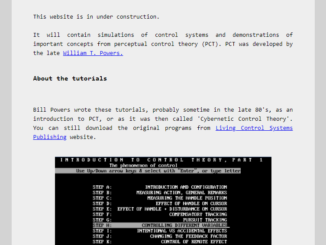
er are Java versions of Powers’ original DOS programs and tutorials, with more conversions to come, such as Living Control Systems III. […]

er are Java versions of Powers’ original DOS programs and tutorials, with more conversions to come, such as Living Control Systems III. […]

Website supporting The Wonder Weeks: How to stimulate your babyÂ’s mental development and help him turn his 10 predictable, great, fussy phases into magical leaps forward, by Hetty van de Rijt-Plooij and Frans Plooij.
This book shows how and when the levels of perception outlined by Hierarchical PCT develop in human infants. The English edition enjoys excellent reviews, saying that the predictions about the timing and nature of infant mental development in the first 20 months are right on. […]

Site focused on PCT resources and CSG archives. CSGnet, the email list originated in 1992, can be downloaded from here and read in its entirety. Threads on various subjects, created in the early 1990s, called by some “The Best of CSGnet” are featured as pdf files, ensuring that formatting and ASCII figures are properly displayed.
The email list was shut down in December 2020, but discussion continues on the IAPCT Discourse forum. CSGnet email since 1992 is all included in Discourse. Earlier CSGnet posts from 1990, 1991, and the first part of 1992 are in this archive.
[…]
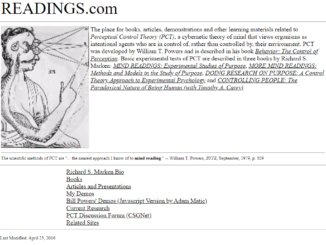
Rick Marken’s website features books, articles, demonstrations and other learning materials. The demonstrations are programmed to run using a web-browser. […]

Dutch website offering information and training on Method of Levels therapy.

Tim Carey’s comprehensive website featuring The Method of Levels (MOL). MOL is a way of talking to people or, perhaps more accurately, a way of helping people listen to themselves, and helping them resolve their emotional distress by themselves, without the therapist “getting in the way” as Tim put it. […]

Originated as a site in support of Phil Runkel’s major work People as Living Things, the site expanded to include an extensive list and presentation of PCT literature, post papers on PCT as well as and tutorials and simulations for DOS and Windows computers. The Book of Readings, aka the “PCT Handbook”, is a major reference for PCT. […]
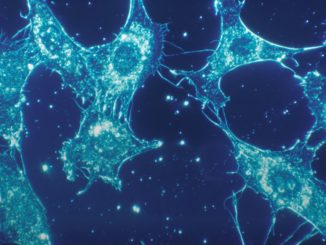
Bill Powers developed PCT with biology in mind. We can split the relevance of PCT into two parts – function and structure. […]
Spiritual truths, 21st Century Renaissance, Computer Games, Pop and Rock Music, & more! […]

To manage a successful business, you need to know what people want, how your business is perceived, and how to deal with people. It’s ripe for a PCT approach! […]
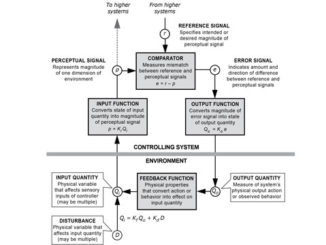
Perceptual Control Theory (PCT), a scientific theory developed by William T. Powers (1973) posits that behavior is the control of perception. […]
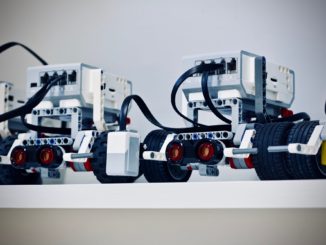
PCT is emerging as a force in robotics. PCT lends itself well to the fields of artificial intelligence and robotics because it provides an exact mathematical framework to model psychological processes. […]

In explaining how living things control their perception, PCT is clearly highly relevant to psychology. Contemporary articles are making the case to the wider establishment that closed-loop, circular causality is much closer to how living systems actually function than the approach researchers still use. […]

When people find themselves struggling control has been disrupted. It is the loss of control not control, therefore, that is the problem when people are psychologically distressed. […]

PCT takes a strongly scientific approach to human nature. It proposes that people and other living systems are purposeful – and that the systems that are responsible for purposeful action are explainable in mechanistic terms. […]

At present, the application of PCT to Law is at its early stages. Hugh Gibbons is one exception. He has co-authored a biological model of human rights based around the tenets of PCT and he also illustrates a case using PCT in this book, “The Death of Jeffrey Stapleton”, published online. […]

A comprehensive introduction to PCT and its implications for the social and physical environment, on a global scale, are described in an online article by Kent McClelland. There are also a number of online articles that relate […]
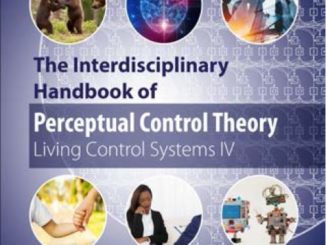
Edited by Warren Mansell First edition – May 16, 2020 The Interdisciplinary Handbook of Perceptual Control Theory brings together the latest research, theory, and applications from W. T. Powers’ Perceptual Control Theory (PCT) that proposes […]

Method of Levels introductory text to follow

Latest discussions in the Method of Levels section on Discourse […]

6-8 October 2022, we’ve organized our 32nd annual IAPCT conference, online. […]
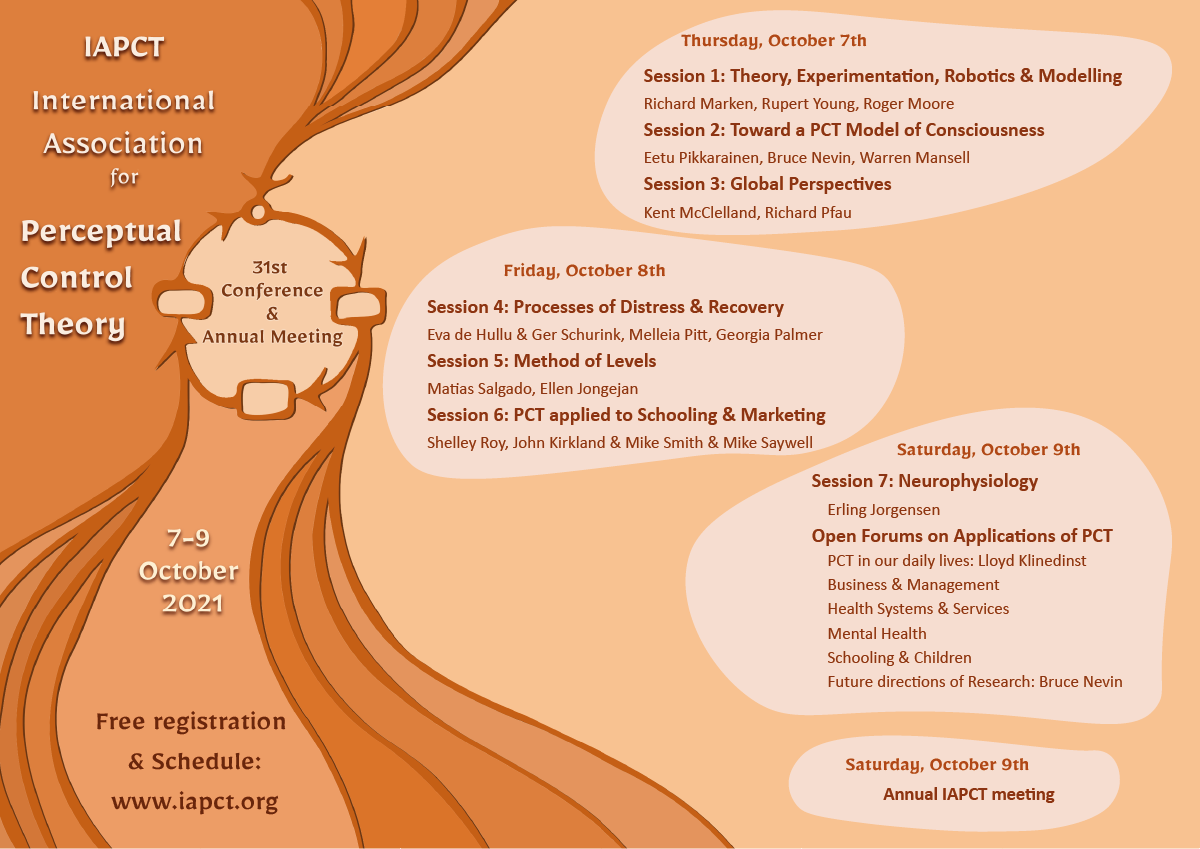
Perceptual Control Theory (PCT) is the science of purpose: how living things use their actions to produce intended results in an unpredictably changing environment. The technical term for this is control. PCT provides a unified and […]

“Lorem ipsum dolor sit amet, consectetur adipiscing elit, sed do eiusmod tempor incididunt ut labore et dolore magna aliqua. Ut enim ad minim veniam, quis nostrud exercitation ullamco laboris nisi ut aliquip ex ea commodo […]
Copyright © 2022 iapct.org